
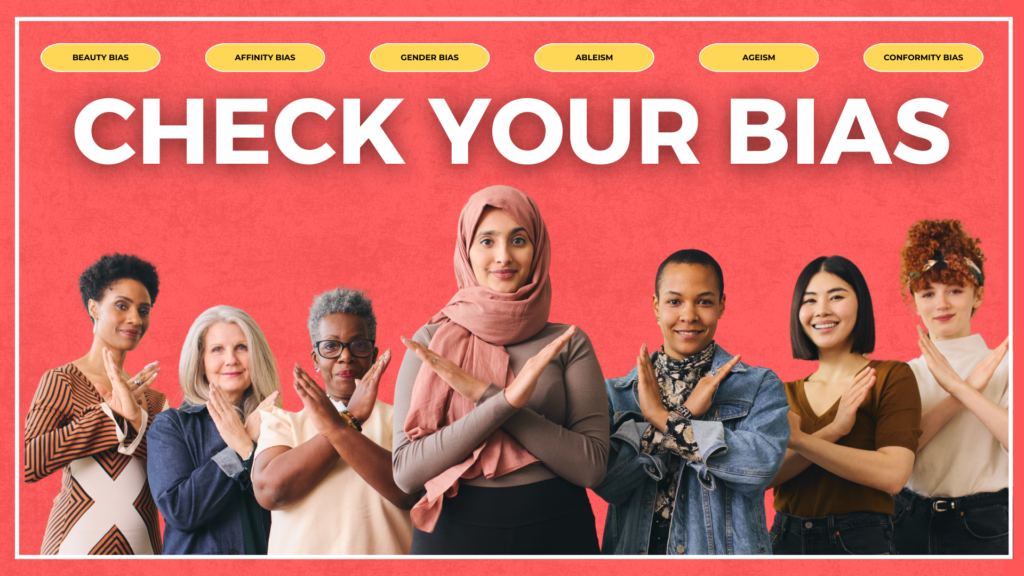
Picture this: you’re in a meeting, ideas are flying around the table, and a younger team member suggests something fresh and creative. It’s waved away as “unrealistic.” Minutes later, a more “seasoned” colleague floats a similar idea, and suddenly, it’s met with nods of approval. No evidence, no data, just a gut feeling that no one questions.
This isn’t just office politics. It’s unconscious bias at work. Unconscious bias is the set of snap judgements and ingrained beliefs we all carry (often without realising it) that can tip the scales unfairly in someone’s favour or against them.
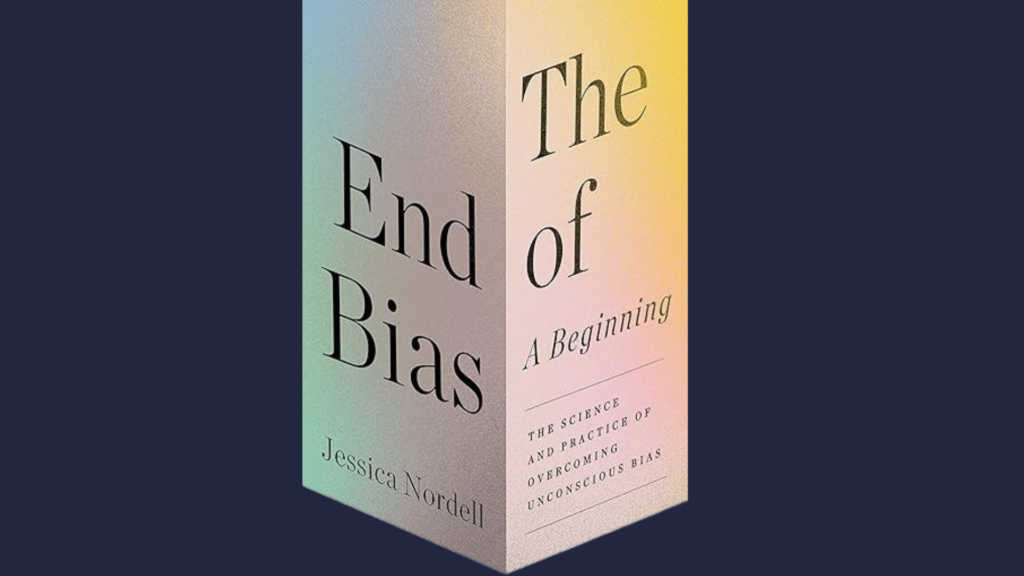
As Jessica Nordell, author of The End of Bias: A Beginning, explains in her McKinsey & Company Author Talks interview, these hidden biases aren’t just frustrating. For those on the receiving end, they can be mentally draining, forcing them to constantly second-guess themselves.
Most of us genuinely want to be fair and inclusive. But the truth is, no one is immune to bias – it’s part of being human. The real difference comes from noticing when it’s happening and learning how to counteract it.
In the workplace, unconscious bias can show up in many ways. Here are some of the most common forms to look out for:
Affinity Bias
The tendency to favour those with similar interests, backgrounds, or experiences can lead to exclusion and limit team diversity.
Examples:
- Giving high-visibility projects to team members who feel more “familiar” or share similar cultural backgrounds.
- Screening resumes based on names, schools, or previous employers rather than skills.
Confirmation Bias
Seeking out information that supports existing beliefs or expectations, while ignoring evidence that challenges them, may result in clouded judgment or poor decision-making.
Examples:
- A manager listens only to team members who agree with their plan and ignores others’ concerns.
- A recruiter focuses on answers that fit their first impression of a candidate, missing other essential details.
Conformity Bias
Peer pressure or the desire to fit in can cause people to change their opinions or actions to match the group, even if they disagree internally.
Examples:
- Team members avoid raising concerns during brainstorming sessions to maintain group harmony.
- New hires often adopt existing habits or unspoken rules, even if they don’t align with their own work preferences or values (check out this fascinating video on social conformity here!).
Halo Effect
This happens when one positive trait leads people to assume someone is overall competent or excellent, resulting in distorted performance evaluations and misplaced trust.
Examples:
- A supervisor evaluates an employee highly across all areas because of their friendly attitude, despite poor performance.
- A charismatic leader’s proposals are accepted without much scrutiny, even when there are apparent flaws.
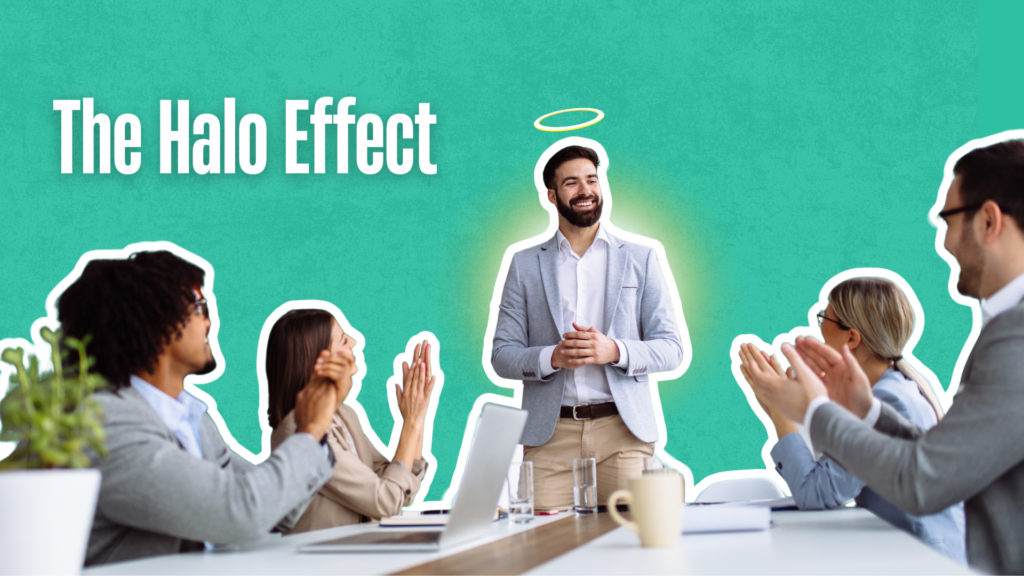
Horns Effect
The opposite of the halo effect. It occurs when a negative impression based on a single trait or experience damages morale and perception.
Examples:
- A team member makes a mistake during a client presentation, and their manager assumes they’re careless in all tasks.
- A new hire struggles with their first project, leading colleagues to doubt their overall capabilities.
Overconfidence Bias
When individuals overestimate their skills, knowledge, or judgment, often due to past successes, it can result in skipping essential steps or setting unrealistic expectations. Bertrand Russell sums it up beautifully in his 1933 essay “The Triumph of Stupidity”, where he says: “The fundamental cause of the trouble is that in the modern world the stupid are cocksure while the intelligent are full of doubt.”
Examples:
- A high-performing team rejects refresher training, believing they already know best, even as processes change.
- A senior manager dismisses junior staff feedback, assuming their years of experience make them automatically correct.
Tackling Unconscious Bias
A 2023 study revealed a strong negative relationship between unconscious bias and workplace diversity. The most prevalent types, such as affinity bias, confirmation bias, and halo effects, reduce minority representation and employee retention. What makes unconscious bias especially harmful is its subtlety, which creates environments where employees feel excluded or undervalued. Thus, organisations must actively address this bias to create a more inclusive, productive workplace.
- Bias Awareness Training: Implement workshops or programs to help your team recognise and reduce bias, and to create a culture of inclusion. Focus on building empathy and self-awareness, and on fostering lasting positive change in your organisation.
- Good Hiring Practices: Use blind recruitment by removing names and personal details from resumes to focus solely on skills. Involve diverse hiring panels in the interview process to ensure fairness.
- Teamwork: Working closely with diverse colleagues reduces personal bias and creates a psychologically safe place where everyone’s ideas and contributions are valued.
- Feedback: Practice giving feedback by focusing more on the team member’s actions rather than personal traits, to help them grow and reconsider biased decisions.
Becoming aware of our unconscious bias is the first step. What matters next is what we choose to do with that awareness.
At FridayMakers, we help teams turn insight into action. Our interactive Lunch & Learn session on Unconscious Bias creates space for reflection, honest conversation, and practical tools that participants can apply immediately at work.
🔗 Learn more about the Bias Workshop and how it can support a more inclusive, supportive workplace: https://fridaymakers.com/unconscious-bias/
Be happy, be kind.
D.